.png)
Learn how Lever360 helps restoration companies track job referrals by connecting Twilio phone numbers, referral sources, call records, jobs, and revenue.

Version 2.22.0 brings a redesigned photo pipeline and a new mobile Document Library — SOPs, checklists, and safety docs now accessible from the field, inside the app.
.png)
Lever360 now integrates Propelr alongside Stripe, helping restoration companies collect card and ACH payments directly from the job with better visibility and less operational friction.

RTI built the RRT, CCT, and CRT back-to-back so restoration professionals can complete 3 of the 5 IICRC Master Textile Cleaner certifications in one training window.
.png)
Most restoration technicians with a CCT are one or two certifications away from IICRC Master Textile Cleaner. Here's what the CRT covers, why it gets skipped, and what it means for your company.
.png)
Hercules is Lever360’s real-time knowledge assistant that gives restoration teams fast, credible answers inside the learning environment and links them to the training modules, videos, and company-specific SOPs they need — right when they need them.

Managing a restoration business means overseeing thousands of daily details across operations, production, accounting, and customer service. This article provides practical strategies to proactively manage those details through structured systems, clear responsibility, software tools, inspections, and continuous improvement.
.png)
Learn how Lever360 helps restoration companies track job referrals by connecting Twilio phone numbers, referral sources, call records, jobs, and revenue.

Version 2.22.0 brings a redesigned photo pipeline and a new mobile Document Library — SOPs, checklists, and safety docs now accessible from the field, inside the app.
.png)
Lever360 now integrates Propelr alongside Stripe, helping restoration companies collect card and ACH payments directly from the job with better visibility and less operational friction.

Online training and virtual learning are transforming the restoration industry, offering flexible, accessible opportunities for technical certifications and professional development. Discover how companies and individuals can leverage e-learning to strengthen skills, improve onboarding, and drive long-term success.

Is there a checklist for proper drying from first phone call to final payment? While no two water losses are identical, there are core procedures and processes that improve consistency, documentation, and profitability in restoration projects.

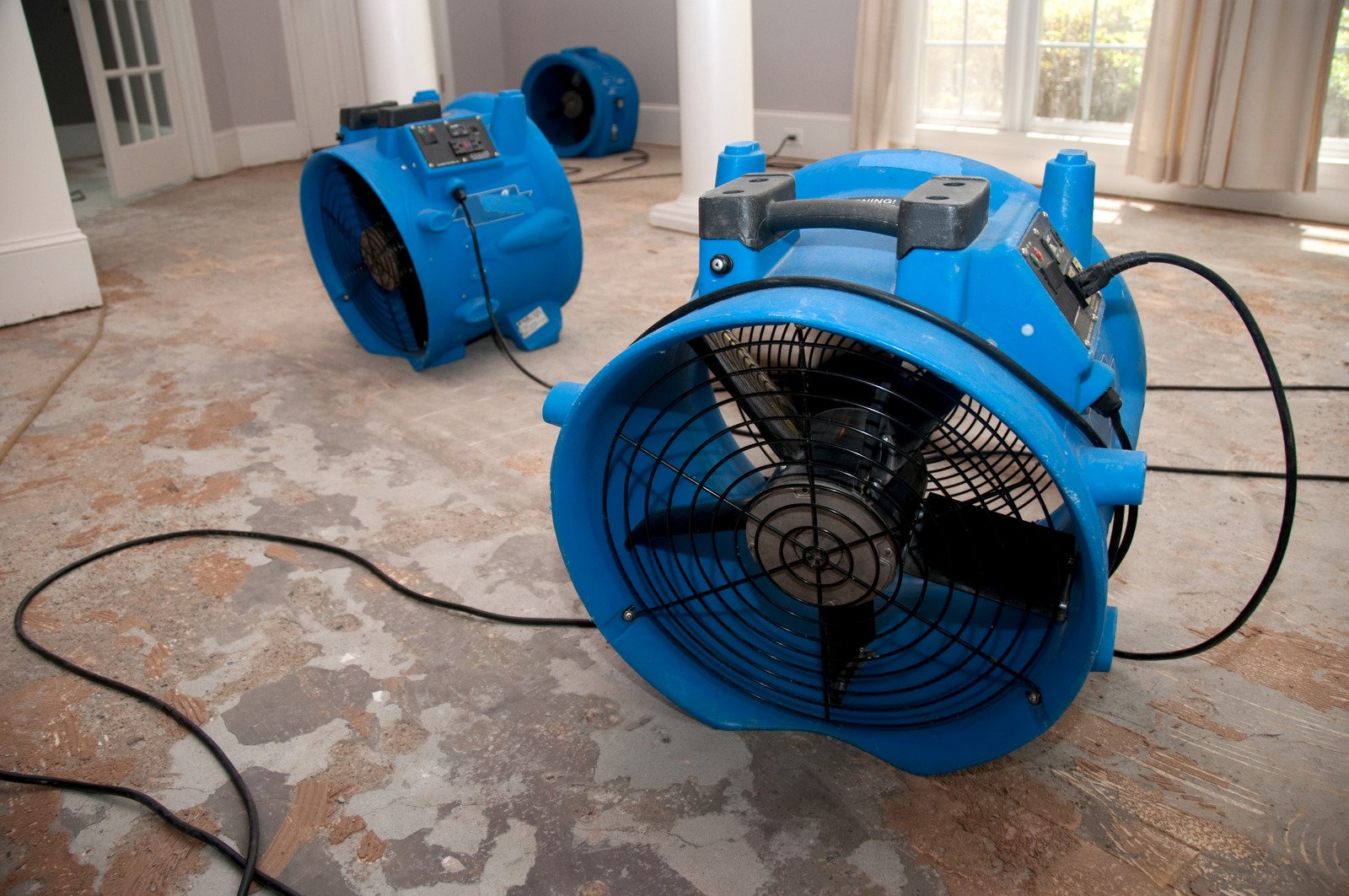
Choosing drying equipment for commercial restoration isn’t about using what’s on the truck—it’s about using what the project requires. Learn how strategic equipment selection improves tenant satisfaction, controls total project cost, and wins more bids.

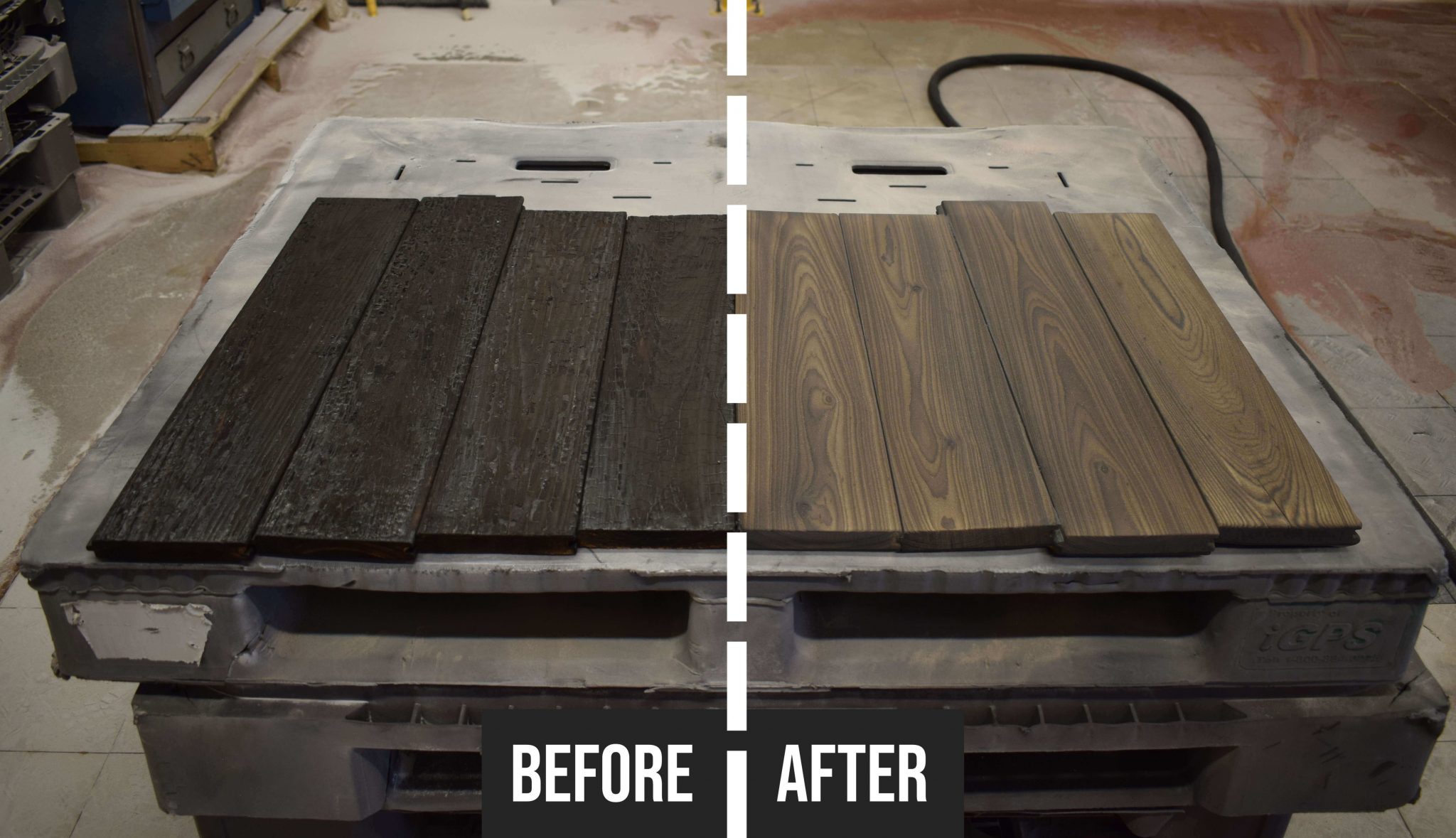
Expand your service offerings and increase revenue with Specialty Surface Cleaning: Media Blasting. This 4 IICRC CEC eLearning course provides practical training on media selection, equipment setup, PPE, and real-world applications for maintenance, cleaning, and restoration projects.

When is concrete really dry? The surprising answer: never. Learn how equilibrium relative humidity (ERH), ASTM testing, and moisture sources impact flooring installation and water damage restoration projects.

Automatic moisture tracking has been around for decades—but today’s technology makes it more powerful than ever. Learn the benefits, limitations, and types of moisture tracking systems and how they support modern restoration operations.

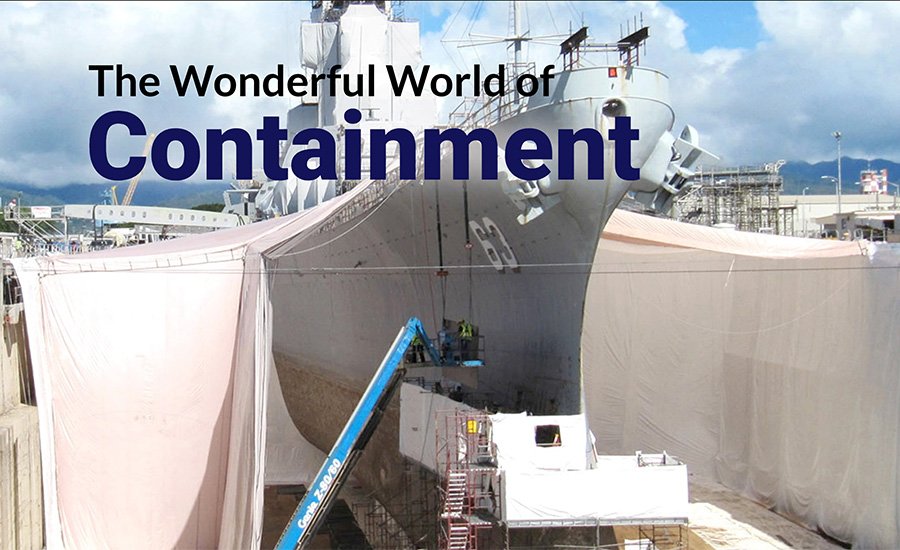
Containment is a critical engineering control in restoration and environmental remediation. Learn how properly designed containment systems manage contaminants, protect occupants, and ensure regulatory compliance in restoration projects.

Documentation can feel tedious—but it’s one of the most powerful tools in restoration. Learn why consistent, thorough documentation protects cash flow, strengthens credibility, improves communication, and makes your company hard to beat.

Online training and virtual learning are transforming the restoration industry, offering flexible, accessible opportunities for technical certifications and professional development. Discover how companies and individuals can leverage e-learning to strengthen skills, improve onboarding, and drive long-term success.

Being on-call is a core responsibility in the restoration industry, not a burden. With the right leadership mindset and positive team culture, 24/7 emergency response becomes one of the most rewarding and purpose-driven aspects of a restoration career.

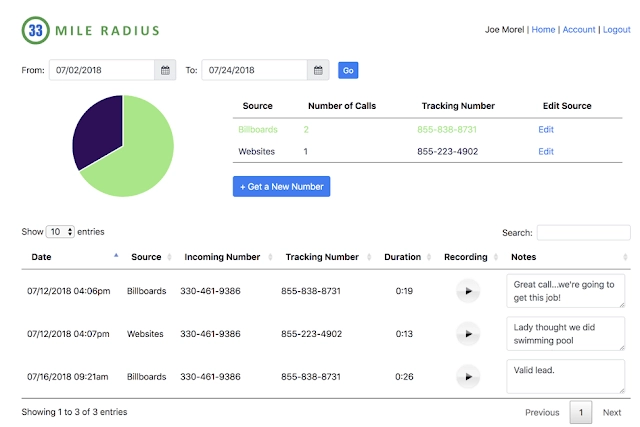
Restoration contractors can now measure exactly which marketing campaigns are generating calls with 33 Mile Radius’ new call tracking system designed specifically for home services professionals.

Accounting isn’t just for owners — it’s a leadership tool. When restoration professionals understand job costing and financial performance, they make smarter decisions that protect margins and fuel long-term growth.

RTI built the RRT, CCT, and CRT back-to-back so restoration professionals can complete 3 of the 5 IICRC Master Textile Cleaner certifications in one training window.
.png)
Most restoration technicians with a CCT are one or two certifications away from IICRC Master Textile Cleaner. Here's what the CRT covers, why it gets skipped, and what it means for your company.
.png)
Hercules is Lever360’s real-time knowledge assistant that gives restoration teams fast, credible answers inside the learning environment and links them to the training modules, videos, and company-specific SOPs they need — right when they need them.

RTI’s Applied Microbial Remediation Technician (AMRT) Training equips restoration professionals with the certifications, safety knowledge, and practical skills needed to handle mold remediation and sewage cleanup services, helping companies expand their service offerings and strengthen industry credibility.

Training employees from inside or outside the restoration industry requires more than a class — it demands a structured learning path. This article outlines how onboarding programs, personalized training plans, and skill gap analysis can accelerate proficiency, improve retention, and build high-performing restoration teams.

Our 3 Ways to learn include the Digital Training Solution (DTS), LIVE Online/In-Person classes, and Self-Paced microlearning courses. Individuals registering for any of our LIVE Online/In-Person classes will receive preparatory materials that may be reviewed prior to class and remain available for 60 days after class to allow students the opportunity to be fully prepared for any associated exam or practical use. The DTS contains a robust Resource Library housed within our custom-created Learning Management System (LMS). The LMS is also designed with management in mind providing solutions to Onboarding, Training & Retraining, Employee Development, Employee Engagement, and Management of the Learning Process.

Managing a restoration business means overseeing thousands of daily details across operations, production, accounting, and customer service. This article provides practical strategies to proactively manage those details through structured systems, clear responsibility, software tools, inspections, and continuous improvement.

Constructive feedback is a critical leadership skill that drives employee development, performance improvement, and a healthy workplace culture. This article explores best practices for delivering and receiving feedback effectively to promote continuous improvement in restoration organizations and beyond.

“When Failure Is Not an Option” explores the passion-driven mindset that fuels resilience, leadership growth, and long-term success in the restoration industry. By combining vision, discipline, and relentless drive, leaders can overcome setbacks and inspire high performance in themselves and others.

Training employees from inside or outside the restoration industry requires more than a class — it demands a structured learning path. This article outlines how onboarding programs, personalized training plans, and skill gap analysis can accelerate proficiency, improve retention, and build high-performing restoration teams.

Effective job planning and scheduling are essential to profitability, customer satisfaction, and operational efficiency in restoration companies. This article explores how structured scheduling systems, resource management, and digital tools can transform chaotic workflows into organized, high-performing operations.

As the new year begins, “Checking Your Work” challenges restoration professionals to adopt attentiveness to detail as a personal and organizational initiative. By strengthening quality control habits, accountability, and operational standards, companies can improve credibility, efficiency, and service excellence.
.png)
Learn how Lever360 helps restoration companies track job referrals by connecting Twilio phone numbers, referral sources, call records, jobs, and revenue.

Version 2.22.0 brings a redesigned photo pipeline and a new mobile Document Library — SOPs, checklists, and safety docs now accessible from the field, inside the app.
.png)
Lever360 now integrates Propelr alongside Stripe, helping restoration companies collect card and ACH payments directly from the job with better visibility and less operational friction.

RTI built the RRT, CCT, and CRT back-to-back so restoration professionals can complete 3 of the 5 IICRC Master Textile Cleaner certifications in one training window.
.png)
Hercules is Lever360’s real-time knowledge assistant that gives restoration teams fast, credible answers inside the learning environment and links them to the training modules, videos, and company-specific SOPs they need — right when they need them.

Managing a restoration business means overseeing thousands of daily details across operations, production, accounting, and customer service. This article provides practical strategies to proactively manage those details through structured systems, clear responsibility, software tools, inspections, and continuous improvement.

Constructive feedback is a critical leadership skill that drives employee development, performance improvement, and a healthy workplace culture. This article explores best practices for delivering and receiving feedback effectively to promote continuous improvement in restoration organizations and beyond.

“When Failure Is Not an Option” explores the passion-driven mindset that fuels resilience, leadership growth, and long-term success in the restoration industry. By combining vision, discipline, and relentless drive, leaders can overcome setbacks and inspire high performance in themselves and others.

As the new year begins, “Checking Your Work” challenges restoration professionals to adopt attentiveness to detail as a personal and organizational initiative. By strengthening quality control habits, accountability, and operational standards, companies can improve credibility, efficiency, and service excellence.


Understanding what truly motivates employees is essential for effective leadership and management. The Motivation Paradigm explores how intrinsic drivers, autonomy, purpose, and individual talents influence performance, engagement, and productivity within restoration and service-based organizations.

Innovation in restoration requires more than excitement — it demands strategy. Inspired by Abraham Maslow’s famous quote, this article explores how restoration leaders can thoughtfully evaluate, implement, rent, or retain tools and technology to improve operational efficiency, profitability, and long-term success.

Sometimes the smartest solution is the simplest one. A lesson learned from something as ordinary as trash bags reveals powerful insights about leadership, continuous improvement, safety, and listening to your team.