A Look at the Benefits and Types of Automatic Moisture Tracking
Automatic moisture tracking systems have existed for decades, but advances in microelectronics and cloud technology have significantly expanded their capabilities. While they are not a substitute for daily inspections required by IICRC standards, they offer valuable real-time data, improved documentation, and enhanced risk management. When used strategically—especially on large or complex projects—automatic moisture tracking strengthens operational efficiency and professional credibility. It is not a replacement for hands-on expertise, but a powerful complement to it.
Automatic moisture tracking may sound like cutting-edge technology, but the truth is—it’s been around for decades.
Basic electronic systems for measuring material moisture content date back to the 1960s. What has changed dramatically is the advancement of microelectronics, wireless communication, and cloud-based data storage. These improvements have reduced equipment size, lowered costs, and expanded capabilities far beyond early systems.
In today’s information age, moisture tracking technology offers powerful advantages—but it’s important to understand both its benefits and its limitations.
Two Critical Points to Understand First
Before exploring the advantages, two key realities must be clear:
1️⃣ It Is Not a Substitute for On-Site Monitoring
Automatic moisture tracking systems:
Do not inspect the entire structure
Do not take readings from every affected material
Only record data at the specific points where sensors are placed
They serve as indicators—not replacements—for professional judgment and full-project monitoring.
2️⃣ Industry Standards Still Require Daily Visits
The Institute of Inspection Cleaning and Restoration Certification (IICRC) S500 Standard for Professional Water Damage Restoration mandates daily visits. Technicians must:
Inspect all affected areas
Take multiple moisture readings
Document conditions
Adjust drying plans as needed
Automatic tracking does not eliminate this requirement.
If It’s Not a Replacement, Why Use It?
Adoption of automatic moisture tracking has historically been limited because:
It may appear redundant
It adds equipment cost
Daily site visits are still required
However, when used strategically, the benefits can outweigh the perceived redundancy.
Key Benefits of Automatic Moisture Tracking
1️⃣ Real-Time Data Between Visits
4
Automatic sensors can:
Monitor humidity and temperature
Track material moisture trends
Provide alerts if conditions change
This gives contractors insight into what is happening between daily inspections.
If a dehumidifier stops working or environmental conditions shift unexpectedly, the system may provide early warning.
2️⃣ Improved Documentation & Credibility
Automated tracking creates:
Time-stamped records
Trend graphs
Objective environmental data
This enhances documentation when communicating with:
Adjusters
Building owners
Property managers
Detailed moisture tracking reports can strengthen justification for equipment placement and drying duration.
3️⃣ Risk Mitigation
Unexpected changes in drying environments can:
Extend drying time
Increase costs
Lead to secondary damage
Automatic alerts can reduce response time if something goes wrong.
While it doesn’t eliminate risk, it provides another layer of oversight.
4️⃣ Operational Efficiency
Although daily visits are still required, tracking systems may help:
Identify when drying goals are achieved
Support data-driven equipment adjustments
Reduce unnecessary equipment runtime
Optimize scheduling
In larger commercial losses especially, remote visibility into conditions can support smarter deployment strategies.
Types of Automatic Moisture Tracking Systems
Automatic moisture tracking technology typically falls into several categories:
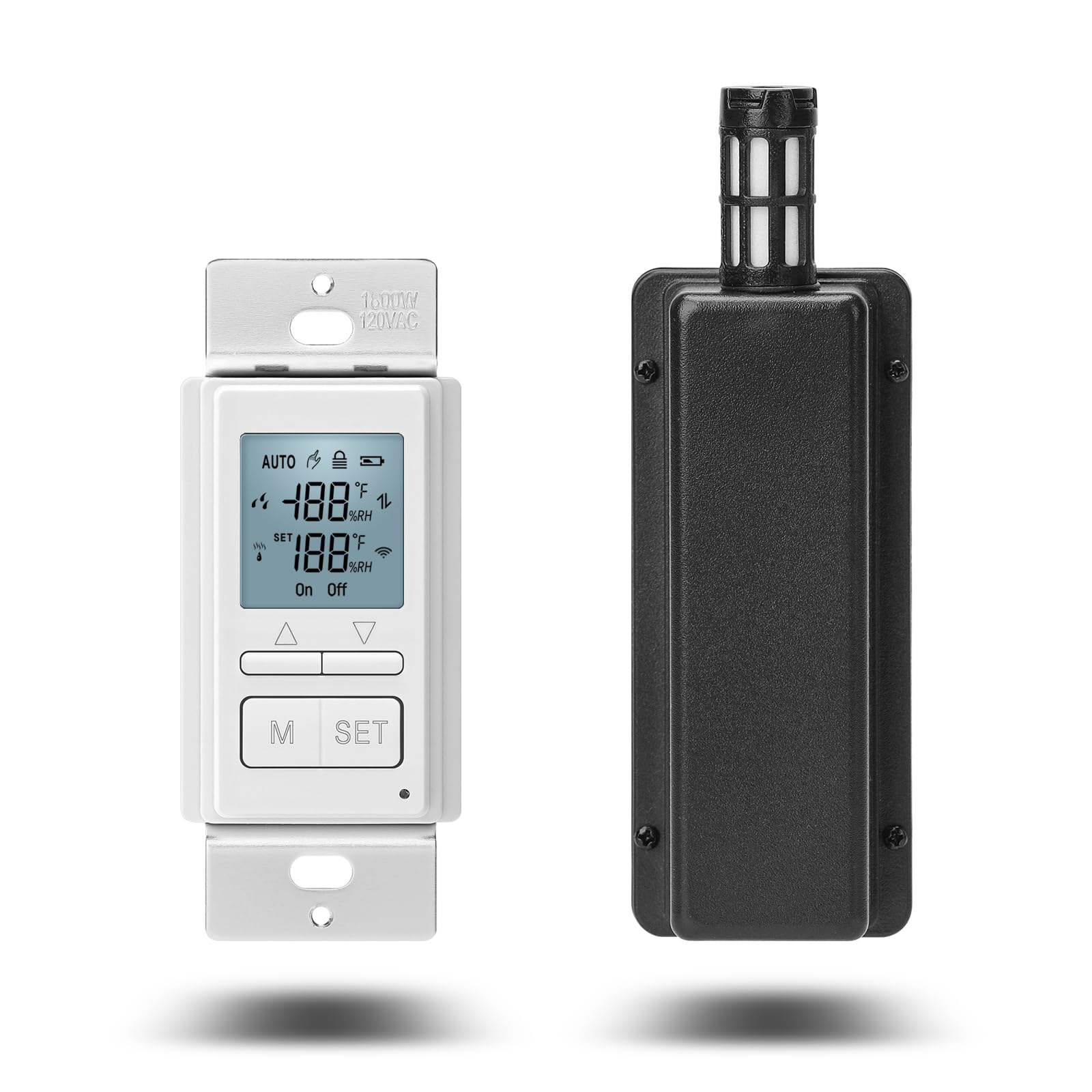
🔹 Environmental Monitoring Systems
Track:
Relative humidity
Temperature
Dew point
Grain depression
These systems monitor ambient drying conditions.
🔹 Material Moisture Monitoring Sensors
Installed directly into:
Drywall
Wood framing
Subfloors
They provide ongoing readings of material moisture content at specific locations.
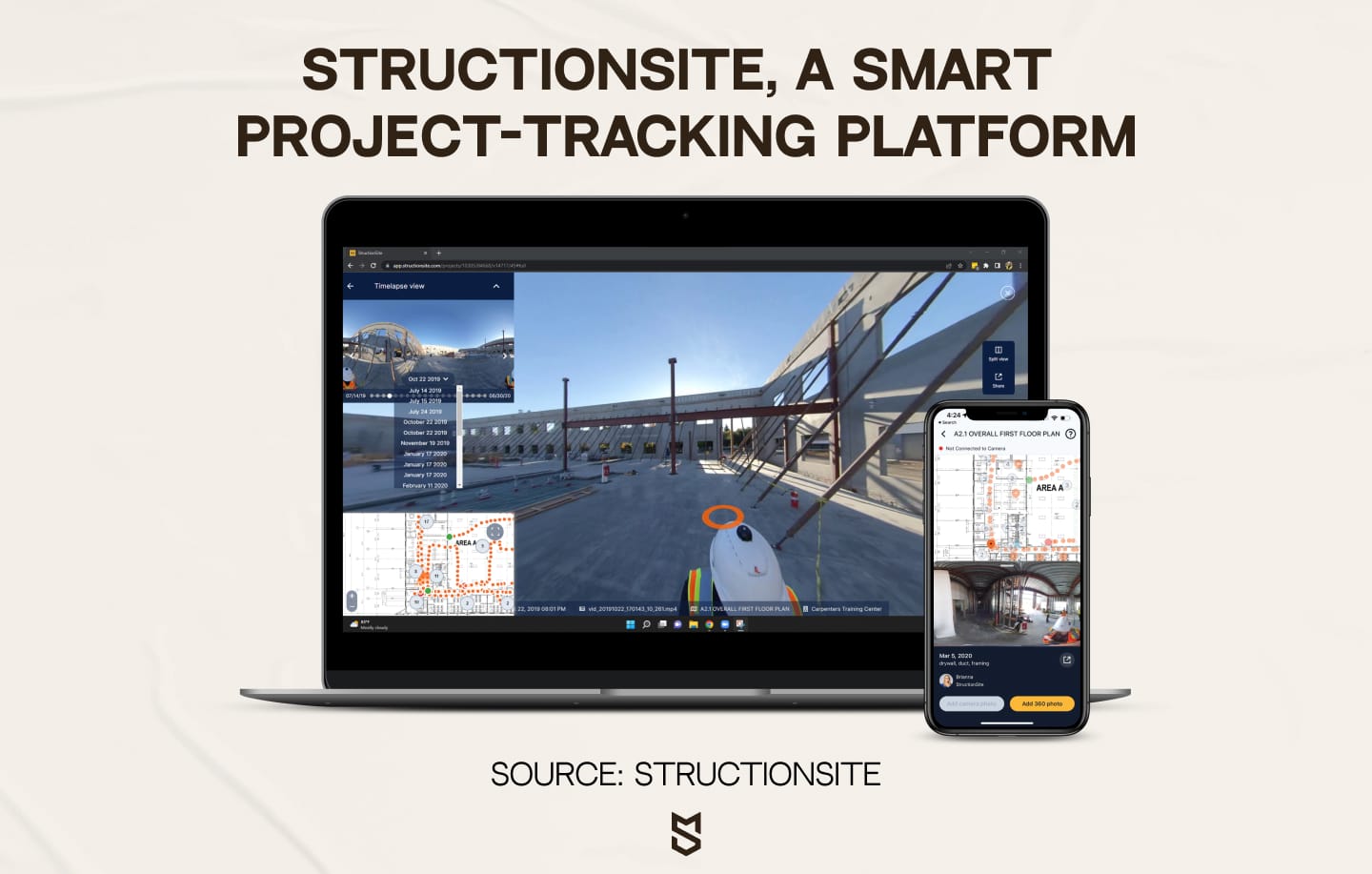
🔹 Wireless & Cloud-Based Systems
Modern systems:
Transmit data via cellular or Wi-Fi networks
Upload readings to cloud dashboards
Allow remote monitoring via mobile apps
This integration is where recent technological advancements have made the greatest impact.
When Does Automatic Tracking Make the Most Sense?
It is especially valuable for:
Large commercial losses
Multi-level buildings
After-hours monitoring
High-risk projects
Sensitive environments (medical, data centers, etc.)
In these situations, real-time insight can support faster response and stronger documentation.
Technology as a Support Tool—Not a Replacement
Automatic moisture tracking is a support system.
It does not replace:
Skilled technicians
Thorough inspections
Professional judgment
Compliance with industry standards
But when combined with strong field practices, it enhances oversight and strengthens defensibility.
Final Thoughts
Moisture tracking technology is not new—but it has evolved dramatically. While some may see it as redundant, those who understand its strategic value use it to:
Strengthen documentation
Improve operational awareness
Reduce risk
Support communication
Enhance professionalism
Like any tool in restoration, its value depends on how it’s used.
Three levers. Pull all three and the whole company moves.
Lever360 is three products built around the same restoration job. Software runs the operation. Learning Lever trains the team. RTI certifies the trade. Use one. Use all three — they compound.
Software is one lever
You're running the company here. The other two make it compound.
Software runs the operation — every job, crew, dollar and conversation lives here. Add Learning Lever and RTI and the same techs ramp faster, bill higher, and stay longer. One lever moves the company. Three move it harder.
Learning Lever is one lever
You're training the team here. The other two make the training stick.
Learning Lever onboards faster and keeps the whole team sharp. Software is where that training shows up in the work. RTI is where it becomes a credential customers trust. Pull one — pull all three and the math compounds.
RTI is one lever
You're certifying the trade here. The other two carry the credential to the field.
RTI certifies the trade — IICRC WRT, ASD, AMRT, FSRT and beyond. Software runs the company those certified techs work for. Learning Lever ramps everyone in between. One lever moves things. Three move the whole crew.