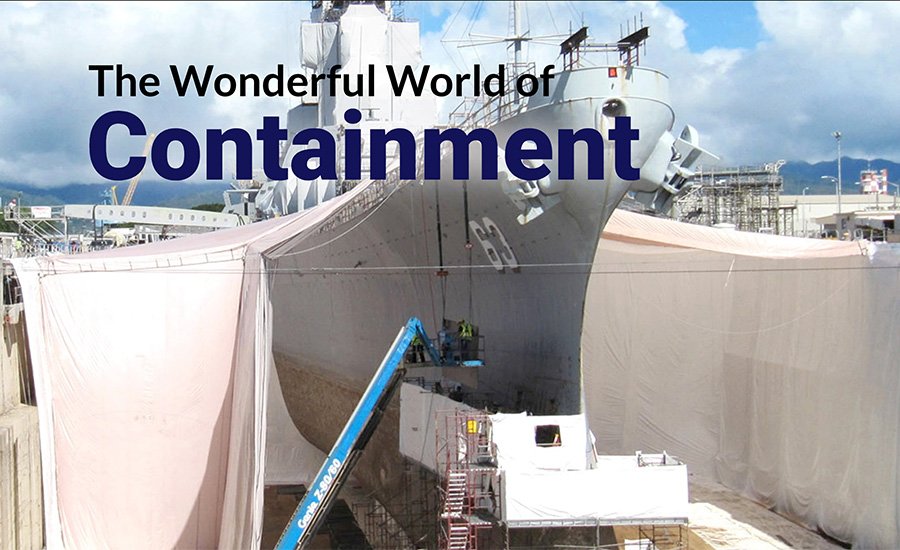
Containment is one of the most fundamental concepts in restoration, remediation, and environmental safety. At its core, containment is simple: control the movement of contaminants from one environment to another. In practice, however, effective containment design requires technical expertise, regulatory awareness, and strategic planning.
In restoration and remediation projects, containment functions as an engineered isolation system that protects occupants, technicians, and unaffected areas from cross-contamination.
What Is Containment?
Containment is designed to stop, slow, or control the transfer of contaminants between spaces. Whether during mold remediation, water damage restoration, infectious disease control, or hazardous material abatement, containment systems create controlled environments that minimize risk.
Beyond restoration, containment exists everywhere in daily life:
- HVAC systems regulating temperature and airflow
- Sound barriers controlling noise pollution
- Building envelopes preventing moisture intrusion
- Protective equipment shielding workers from exposure
Without containment systems, safe living and working environments would not be possible.
What Is a Contaminant?
A contaminant can be defined as any substance or condition that makes an environment unsafe, impure, or unsuitable for use. In restoration and environmental remediation, contaminants vary widely depending on the project scope.
Common contaminants include:
- Airborne particulate matter
- Microbial growth (mold spores)
- Pathogens and infectious agents
- Excess moisture and humidity
- Chemical vapors
- Dust and debris
- Asbestos fibers
- Lead particles
- Temperature extremes
- Noise pollution
Each contaminant carries specific control standards and, in many cases, regulatory exposure limits established by agencies such as OSHA and industry standards organizations.
Engineering Controls and OSHA Compliance
In professional restoration settings, containment is often considered an engineering control—a primary method for reducing or eliminating exposure to hazards.
Engineering controls may include:
- Physical barriers (poly sheeting, zip walls, temporary partitions)
- Negative air pressure systems
- HEPA filtration devices
- Airlocks and decontamination chambers
- Critical barriers to isolate unaffected areas
The level of containment required depends on the contaminant type, concentration, project size, and applicable safety regulations. Restoration professionals must assess exposure risks, determine acceptable contamination thresholds, and design containment systems accordingly.
Designing Effective Containment Systems
Proper containment design begins with identifying:
- The contaminant(s) present
- The level of control required
- Regulatory and industry standards
- Occupant safety considerations
- Workflow efficiency for technicians
Failure to properly isolate work areas can result in cross-contamination, liability exposure, project delays, and increased remediation costs.
Effective containment not only protects health and safety but also enhances professionalism and customer confidence. When property owners see structured isolation systems and controlled environments, it reinforces trust in the restoration process.
Containment as a Foundation of Restoration Excellence
Containment may feel “specialized,” but it is foundational to nearly every restoration project. Whether managing mold remediation, water mitigation, fire damage cleanup, or infectious disease response, proper containment separates controlled environments from vulnerable ones.
Ultimately, containment is about control—control of risk, liability, safety, and project outcomes. In the world of restoration, mastering containment is essential to delivering safe, compliant, and high-quality results.