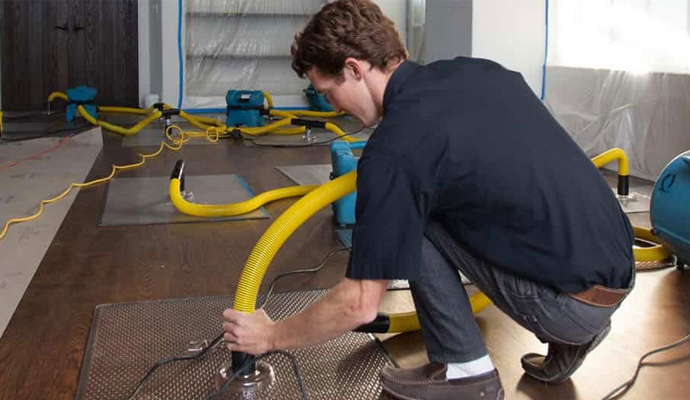
While no two water losses are identical, successful drying projects follow consistent core procedures. From the initial phone call through inspection, documentation, extraction, equipment deployment, monitoring, and final verification, structured processes improve results and profitability. Restorative drying remains a blend of art and science, but focusing on foundational fundamentals enhances efficiency, communication, and payment timelines—ultimately making better dryers across the industry.
Chuck Boutall
Educational Coordinator
July 2, 2021
7 Min.
One of the most common questions asked in restoration classes is:
“Is there a flowchart or checklist for doing a job correctly—from the first phone call to getting paid on time?”
Even an experienced adjuster, Clark—whom I had the pleasure of teaching alongside in the IICRC CDS class—asked the same question.
The honest answer?
No two water losses are the same. Jobs are simply too diverse.
But while every project is unique, there are fundamentals that apply to nearly every successful drying project. The goal isn’t rigid standardization—it’s consistency built on sound process.
Restorative drying may still be more art than science, but structure improves outcomes.
A Practical Framework for Proper Drying
4
Below is a foundational process you can refine, adapt, and make your own.
1️⃣ The First Phone Call: Set the Tone
Professional drying begins before arrival.
Key considerations:
Gather essential information (source, duration, affected areas)
Provide clear expectations
Explain next steps
Prepare the proper equipment
The first interaction establishes confidence and credibility.
2️⃣ Inspection & Assessment
Upon arrival:
Identify and stop the water source
Determine water category and class
Inspect affected materials
Evaluate safety concerns
Assess building construction type
Accurate assessment drives proper equipment selection and drying strategy.
Poor assessment leads to over-drying, under-drying, or unnecessary demolition.
3️⃣ Documentation from the Start
Consistent documentation is essential:
Photos before work begins
Moisture readings (multiple points)
Psychrometric data
Sketches or diagrams
Customer authorization
Documentation protects:
The contractor
The property owner
The insurance carrier
It also supports timely payment.
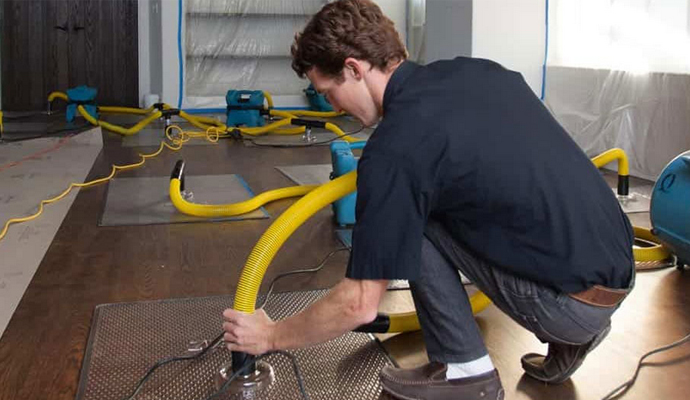
4️⃣ Water Removal & Stabilization
Extraction is often the most critical step.
The more water removed during extraction:
The shorter the drying time
The fewer air movers required
The lower the overall cost
Thorough extraction improves efficiency and reduces disruption.
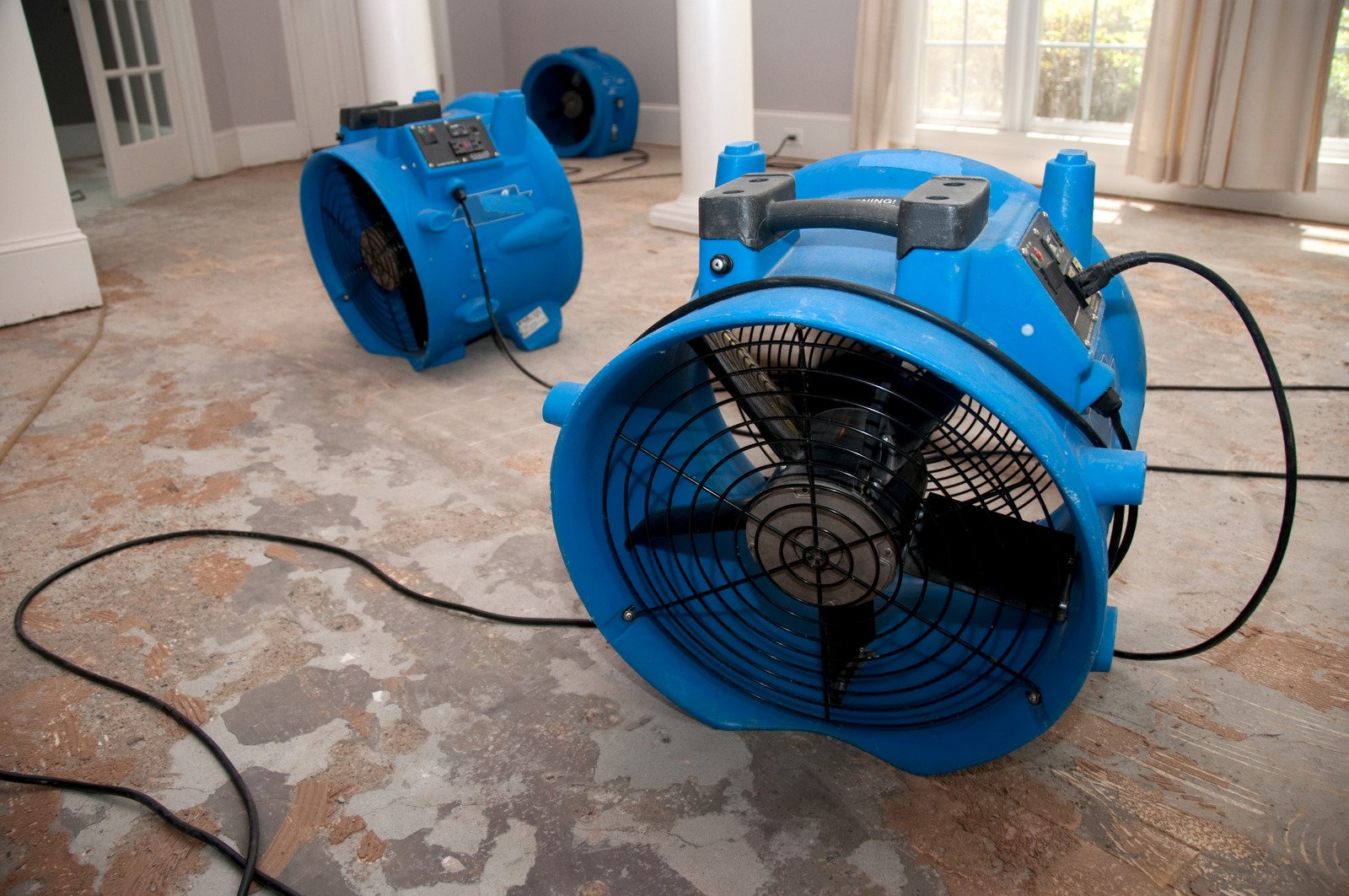
5️⃣ Equipment Selection & Placement
Equipment should be selected based on:
Structure size and layout
Material type
Class of water loss
Environmental conditions
This aligns with the principle of “Whatever the Project Requires”—not simply what is available.
Proper airflow, dehumidification, and temperature control must work together.
6️⃣ Daily Monitoring & Adjustment
Drying is dynamic.
Daily visits should include:
Updated moisture readings
Psychrometric evaluation
Equipment performance checks
Adjustments to placement
Documentation updates
Drying conditions change. Your strategy should too.
7️⃣ Verification of Dry Standard
Before equipment removal:
Confirm materials have reached acceptable dry standards
Compare readings to unaffected areas
Document final conditions
Verification prevents callbacks and disputes.
8️⃣ Communication Throughout the Project
Clear communication must occur with:
Property owners
Tenants (if commercial)
Insurance adjusters
Internal team members
Proactive updates reduce confusion and increase trust.
9️⃣ Invoicing & Getting Paid on Time
Payment delays are often linked to:
Incomplete documentation
Unclear scope changes
Poor communication
Organized files, detailed reports, and proper justification for equipment and labor improve accounts receivable performance.
Proper process protects profitability.
The Bigger Picture
While no checklist can account for every variable, focusing on core fundamentals ensures consistency:
Assessment
Documentation
Strategic equipment deployment
Monitoring
Communication
Verification
Experience and continuing education refine field decisions. Over time, intuition improves. But intuition without process leads to inconsistency.
The goal is simple:
Make us all better dryers.
Final Thoughts
Restorative drying balances science, experience, and adaptability. There is no universal flowchart that fits every project—but there are reliable principles that guide successful outcomes.
Take these fundamentals. Add your own refinements. Build your system.
Three levers. Pull all three and the whole company moves.
Lever360 is three products built around the same restoration job. Software runs the operation. Learning Lever trains the team. RTI certifies the trade. Use one. Use all three — they compound.
Software is one lever
You're running the company here. The other two make it compound.
Software runs the operation — every job, crew, dollar and conversation lives here. Add Learning Lever and RTI and the same techs ramp faster, bill higher, and stay longer. One lever moves the company. Three move it harder.
Learning Lever is one lever
You're training the team here. The other two make the training stick.
Learning Lever onboards faster and keeps the whole team sharp. Software is where that training shows up in the work. RTI is where it becomes a credential customers trust. Pull one — pull all three and the math compounds.
RTI is one lever
You're certifying the trade here. The other two carry the credential to the field.
RTI certifies the trade — IICRC WRT, ASD, AMRT, FSRT and beyond. Software runs the company those certified techs work for. Learning Lever ramps everyone in between. One lever moves things. Three move the whole crew.