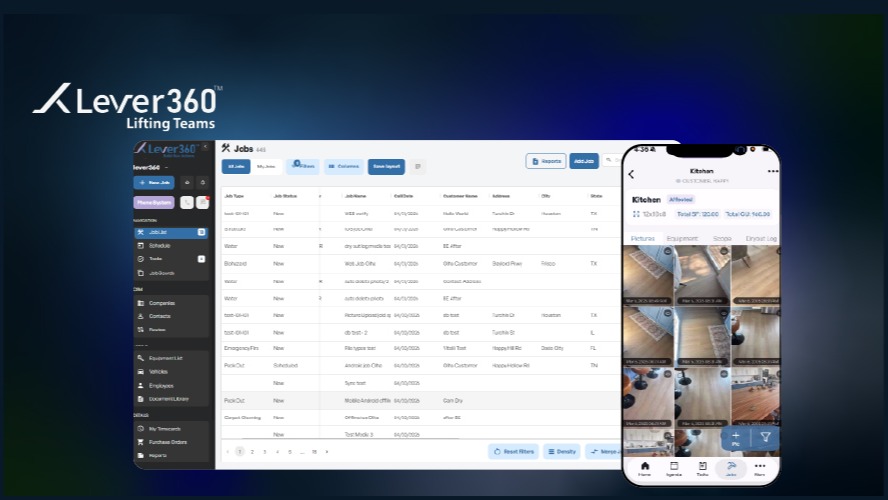
Managing a restoration business means overseeing thousands of daily details across operations, production, accounting, and customer service. This article provides practical strategies to proactively manage those details through structured systems, clear responsibility, software tools, inspections, and continuous improvement.

RTI’s Applied Microbial Remediation Technician (AMRT) Training equips restoration professionals with the certifications, safety knowledge, and practical skills needed to handle mold remediation and sewage cleanup services, helping companies expand their service offerings and strengthen industry credibility.
Constructive feedback is a critical leadership skill that drives employee development, performance improvement, and a healthy workplace culture. This article explores best practices for delivering and receiving feedback effectively to promote continuous improvement in restoration organizations and beyond.

“When Failure Is Not an Option” explores the passion-driven mindset that fuels resilience, leadership growth, and long-term success in the restoration industry. By combining vision, discipline, and relentless drive, leaders can overcome setbacks and inspire high performance in themselves and others.

Training employees from inside or outside the restoration industry requires more than a class — it demands a structured learning path. This article outlines how onboarding programs, personalized training plans, and skill gap analysis can accelerate proficiency, improve retention, and build high-performing restoration teams.

Effective job planning and scheduling are essential to profitability, customer satisfaction, and operational efficiency in restoration companies. This article explores how structured scheduling systems, resource management, and digital tools can transform chaotic workflows into organized, high-performing operations.

As the new year begins, “Checking Your Work” challenges restoration professionals to adopt attentiveness to detail as a personal and organizational initiative. By strengthening quality control habits, accountability, and operational standards, companies can improve credibility, efficiency, and service excellence.

Managing a restoration business means overseeing thousands of daily details across operations, production, accounting, and customer service. This article provides practical strategies to proactively manage those details through structured systems, clear responsibility, software tools, inspections, and continuous improvement.

Training employees from inside or outside the restoration industry requires more than a class — it demands a structured learning path. This article outlines how onboarding programs, personalized training plans, and skill gap analysis can accelerate proficiency, improve retention, and build high-performing restoration teams.

Restoration Technical Institute (RTI) and Large Loss Mastery (LLM) announce a strategic collaboration to expand live training and eLearning opportunities for restoration professionals, combining decades of industry expertise in commercial drying, estimating, project management, and large-loss restoration.

Understanding what truly motivates employees is essential for effective leadership and management. The Motivation Paradigm explores how intrinsic drivers, autonomy, purpose, and individual talents influence performance, engagement, and productivity within restoration and service-based organizations.

True leadership begins with accountability. “Roll it Uphill” is a mindset that challenges leaders to look inward before placing blame, focusing instead on clarity, communication, and responsibility to drive continuous improvement and organizational success.

Facing hiring challenges in the restoration industry? Learn how strategic onboarding, employee retention, and productivity improvements can help overcome labor shortages and build long-term success.

Managing a restoration business means overseeing thousands of daily details across operations, production, accounting, and customer service. This article provides practical strategies to proactively manage those details through structured systems, clear responsibility, software tools, inspections, and continuous improvement.

RTI’s Applied Microbial Remediation Technician (AMRT) Training equips restoration professionals with the certifications, safety knowledge, and practical skills needed to handle mold remediation and sewage cleanup services, helping companies expand their service offerings and strengthen industry credibility.

Constructive feedback is a critical leadership skill that drives employee development, performance improvement, and a healthy workplace culture. This article explores best practices for delivering and receiving feedback effectively to promote continuous improvement in restoration organizations and beyond.

“When Failure Is Not an Option” explores the passion-driven mindset that fuels resilience, leadership growth, and long-term success in the restoration industry. By combining vision, discipline, and relentless drive, leaders can overcome setbacks and inspire high performance in themselves and others.

Training employees from inside or outside the restoration industry requires more than a class — it demands a structured learning path. This article outlines how onboarding programs, personalized training plans, and skill gap analysis can accelerate proficiency, improve retention, and build high-performing restoration teams.

Effective job planning and scheduling are essential to profitability, customer satisfaction, and operational efficiency in restoration companies. This article explores how structured scheduling systems, resource management, and digital tools can transform chaotic workflows into organized, high-performing operations.

Managing a restoration business means overseeing thousands of daily details across operations, production, accounting, and customer service. This article provides practical strategies to proactively manage those details through structured systems, clear responsibility, software tools, inspections, and continuous improvement.

“When Failure Is Not an Option” explores the passion-driven mindset that fuels resilience, leadership growth, and long-term success in the restoration industry. By combining vision, discipline, and relentless drive, leaders can overcome setbacks and inspire high performance in themselves and others.

Training employees from inside or outside the restoration industry requires more than a class — it demands a structured learning path. This article outlines how onboarding programs, personalized training plans, and skill gap analysis can accelerate proficiency, improve retention, and build high-performing restoration teams.

Restoration Technical Institute (RTI) and Large Loss Mastery (LLM) announce a strategic collaboration to expand live training and eLearning opportunities for restoration professionals, combining decades of industry expertise in commercial drying, estimating, project management, and large-loss restoration.

Understanding what truly motivates employees is essential for effective leadership and management. The Motivation Paradigm explores how intrinsic drivers, autonomy, purpose, and individual talents influence performance, engagement, and productivity within restoration and service-based organizations.

Innovation in restoration requires more than excitement — it demands strategy. Inspired by Abraham Maslow’s famous quote, this article explores how restoration leaders can thoughtfully evaluate, implement, rent, or retain tools and technology to improve operational efficiency, profitability, and long-term success.

Managing a restoration business means overseeing thousands of daily details across operations, production, accounting, and customer service. This article provides practical strategies to proactively manage those details through structured systems, clear responsibility, software tools, inspections, and continuous improvement.

RTI’s Applied Microbial Remediation Technician (AMRT) Training equips restoration professionals with the certifications, safety knowledge, and practical skills needed to handle mold remediation and sewage cleanup services, helping companies expand their service offerings and strengthen industry credibility.

Constructive feedback is a critical leadership skill that drives employee development, performance improvement, and a healthy workplace culture. This article explores best practices for delivering and receiving feedback effectively to promote continuous improvement in restoration organizations and beyond.

“When Failure Is Not an Option” explores the passion-driven mindset that fuels resilience, leadership growth, and long-term success in the restoration industry. By combining vision, discipline, and relentless drive, leaders can overcome setbacks and inspire high performance in themselves and others.

As the new year begins, “Checking Your Work” challenges restoration professionals to adopt attentiveness to detail as a personal and organizational initiative. By strengthening quality control habits, accountability, and operational standards, companies can improve credibility, efficiency, and service excellence.

Restoration Technical Institute (RTI) and Large Loss Mastery (LLM) announce a strategic collaboration to expand live training and eLearning opportunities for restoration professionals, combining decades of industry expertise in commercial drying, estimating, project management, and large-loss restoration.

Restoration Technical Institute (RTI) and Large Loss Mastery (LLM) announce a strategic collaboration to expand live training and eLearning opportunities for restoration professionals, combining decades of industry expertise in commercial drying, estimating, project management, and large-loss restoration.

Understanding what truly motivates employees is essential for effective leadership and management. The Motivation Paradigm explores how intrinsic drivers, autonomy, purpose, and individual talents influence performance, engagement, and productivity within restoration and service-based organizations.

Innovation in restoration requires more than excitement — it demands strategy. Inspired by Abraham Maslow’s famous quote, this article explores how restoration leaders can thoughtfully evaluate, implement, rent, or retain tools and technology to improve operational efficiency, profitability, and long-term success.

True leadership begins with accountability. “Roll it Uphill” is a mindset that challenges leaders to look inward before placing blame, focusing instead on clarity, communication, and responsibility to drive continuous improvement and organizational success.

Facing hiring challenges in the restoration industry? Learn how strategic onboarding, employee retention, and productivity improvements can help overcome labor shortages and build long-term success.

Organizational awareness is a powerful yet often overlooked soft skill that drives performance, culture, and customer service. Learn how developing internal and external awareness can elevate leadership, strengthen teams, and lead your company toward greatness.

Constructive feedback is a critical leadership skill that drives employee development, performance improvement, and a healthy workplace culture. This article explores best practices for delivering and receiving feedback effectively to promote continuous improvement in restoration organizations and beyond.

Restoration Technical Institute (RTI) and Large Loss Mastery (LLM) announce a strategic collaboration to expand live training and eLearning opportunities for restoration professionals, combining decades of industry expertise in commercial drying, estimating, project management, and large-loss restoration.

Understanding what truly motivates employees is essential for effective leadership and management. The Motivation Paradigm explores how intrinsic drivers, autonomy, purpose, and individual talents influence performance, engagement, and productivity within restoration and service-based organizations.

Innovation in restoration requires more than excitement — it demands strategy. Inspired by Abraham Maslow’s famous quote, this article explores how restoration leaders can thoughtfully evaluate, implement, rent, or retain tools and technology to improve operational efficiency, profitability, and long-term success.

True leadership begins with accountability. “Roll it Uphill” is a mindset that challenges leaders to look inward before placing blame, focusing instead on clarity, communication, and responsibility to drive continuous improvement and organizational success.

Facing hiring challenges in the restoration industry? Learn how strategic onboarding, employee retention, and productivity improvements can help overcome labor shortages and build long-term success.

Managing a restoration business means overseeing thousands of daily details across operations, production, accounting, and customer service. This article provides practical strategies to proactively manage those details through structured systems, clear responsibility, software tools, inspections, and continuous improvement.

Training employees from inside or outside the restoration industry requires more than a class — it demands a structured learning path. This article outlines how onboarding programs, personalized training plans, and skill gap analysis can accelerate proficiency, improve retention, and build high-performing restoration teams.

Restoration Technical Institute (RTI) and Large Loss Mastery (LLM) announce a strategic collaboration to expand live training and eLearning opportunities for restoration professionals, combining decades of industry expertise in commercial drying, estimating, project management, and large-loss restoration.

Understanding what truly motivates employees is essential for effective leadership and management. The Motivation Paradigm explores how intrinsic drivers, autonomy, purpose, and individual talents influence performance, engagement, and productivity within restoration and service-based organizations.

Innovation in restoration requires more than excitement — it demands strategy. Inspired by Abraham Maslow’s famous quote, this article explores how restoration leaders can thoughtfully evaluate, implement, rent, or retain tools and technology to improve operational efficiency, profitability, and long-term success.

True leadership begins with accountability. “Roll it Uphill” is a mindset that challenges leaders to look inward before placing blame, focusing instead on clarity, communication, and responsibility to drive continuous improvement and organizational success.

Managing a restoration business means overseeing thousands of daily details across operations, production, accounting, and customer service. This article provides practical strategies to proactively manage those details through structured systems, clear responsibility, software tools, inspections, and continuous improvement.

Training employees from inside or outside the restoration industry requires more than a class — it demands a structured learning path. This article outlines how onboarding programs, personalized training plans, and skill gap analysis can accelerate proficiency, improve retention, and build high-performing restoration teams.

As the new year begins, “Checking Your Work” challenges restoration professionals to adopt attentiveness to detail as a personal and organizational initiative. By strengthening quality control habits, accountability, and operational standards, companies can improve credibility, efficiency, and service excellence.

Restoration Technical Institute (RTI) and Large Loss Mastery (LLM) announce a strategic collaboration to expand live training and eLearning opportunities for restoration professionals, combining decades of industry expertise in commercial drying, estimating, project management, and large-loss restoration.

Understanding what truly motivates employees is essential for effective leadership and management. The Motivation Paradigm explores how intrinsic drivers, autonomy, purpose, and individual talents influence performance, engagement, and productivity within restoration and service-based organizations.

Innovation in restoration requires more than excitement — it demands strategy. Inspired by Abraham Maslow’s famous quote, this article explores how restoration leaders can thoughtfully evaluate, implement, rent, or retain tools and technology to improve operational efficiency, profitability, and long-term success.

Managing a restoration business means overseeing thousands of daily details across operations, production, accounting, and customer service. This article provides practical strategies to proactively manage those details through structured systems, clear responsibility, software tools, inspections, and continuous improvement.

RTI’s Applied Microbial Remediation Technician (AMRT) Training equips restoration professionals with the certifications, safety knowledge, and practical skills needed to handle mold remediation and sewage cleanup services, helping companies expand their service offerings and strengthen industry credibility.

“When Failure Is Not an Option” explores the passion-driven mindset that fuels resilience, leadership growth, and long-term success in the restoration industry. By combining vision, discipline, and relentless drive, leaders can overcome setbacks and inspire high performance in themselves and others.

Training employees from inside or outside the restoration industry requires more than a class — it demands a structured learning path. This article outlines how onboarding programs, personalized training plans, and skill gap analysis can accelerate proficiency, improve retention, and build high-performing restoration teams.

Restoration Technical Institute (RTI) and Large Loss Mastery (LLM) announce a strategic collaboration to expand live training and eLearning opportunities for restoration professionals, combining decades of industry expertise in commercial drying, estimating, project management, and large-loss restoration.

Understanding what truly motivates employees is essential for effective leadership and management. The Motivation Paradigm explores how intrinsic drivers, autonomy, purpose, and individual talents influence performance, engagement, and productivity within restoration and service-based organizations.

Managing a restoration business means overseeing thousands of daily details across operations, production, accounting, and customer service. This article provides practical strategies to proactively manage those details through structured systems, clear responsibility, software tools, inspections, and continuous improvement.

Effective job planning and scheduling are essential to profitability, customer satisfaction, and operational efficiency in restoration companies. This article explores how structured scheduling systems, resource management, and digital tools can transform chaotic workflows into organized, high-performing operations.

As the new year begins, “Checking Your Work” challenges restoration professionals to adopt attentiveness to detail as a personal and organizational initiative. By strengthening quality control habits, accountability, and operational standards, companies can improve credibility, efficiency, and service excellence.

Restoration Technical Institute (RTI) and Large Loss Mastery (LLM) announce a strategic collaboration to expand live training and eLearning opportunities for restoration professionals, combining decades of industry expertise in commercial drying, estimating, project management, and large-loss restoration.

Understanding what truly motivates employees is essential for effective leadership and management. The Motivation Paradigm explores how intrinsic drivers, autonomy, purpose, and individual talents influence performance, engagement, and productivity within restoration and service-based organizations.

True leadership begins with accountability. “Roll it Uphill” is a mindset that challenges leaders to look inward before placing blame, focusing instead on clarity, communication, and responsibility to drive continuous improvement and organizational success.

RTI’s Applied Microbial Remediation Technician (AMRT) Training equips restoration professionals with the certifications, safety knowledge, and practical skills needed to handle mold remediation and sewage cleanup services, helping companies expand their service offerings and strengthen industry credibility.

Restoration Technical Institute (RTI) and Large Loss Mastery (LLM) announce a strategic collaboration to expand live training and eLearning opportunities for restoration professionals, combining decades of industry expertise in commercial drying, estimating, project management, and large-loss restoration.

Understanding what truly motivates employees is essential for effective leadership and management. The Motivation Paradigm explores how intrinsic drivers, autonomy, purpose, and individual talents influence performance, engagement, and productivity within restoration and service-based organizations.

True leadership begins with accountability. “Roll it Uphill” is a mindset that challenges leaders to look inward before placing blame, focusing instead on clarity, communication, and responsibility to drive continuous improvement and organizational success.

Facing hiring challenges in the restoration industry? Learn how strategic onboarding, employee retention, and productivity improvements can help overcome labor shortages and build long-term success.

Organizational awareness is a powerful yet often overlooked soft skill that drives performance, culture, and customer service. Learn how developing internal and external awareness can elevate leadership, strengthen teams, and lead your company toward greatness.

Effective job planning and scheduling are essential to profitability, customer satisfaction, and operational efficiency in restoration companies. This article explores how structured scheduling systems, resource management, and digital tools can transform chaotic workflows into organized, high-performing operations.

As the new year begins, “Checking Your Work” challenges restoration professionals to adopt attentiveness to detail as a personal and organizational initiative. By strengthening quality control habits, accountability, and operational standards, companies can improve credibility, efficiency, and service excellence.

Restoration Technical Institute (RTI) and Large Loss Mastery (LLM) announce a strategic collaboration to expand live training and eLearning opportunities for restoration professionals, combining decades of industry expertise in commercial drying, estimating, project management, and large-loss restoration.

Understanding what truly motivates employees is essential for effective leadership and management. The Motivation Paradigm explores how intrinsic drivers, autonomy, purpose, and individual talents influence performance, engagement, and productivity within restoration and service-based organizations.

True leadership begins with accountability. “Roll it Uphill” is a mindset that challenges leaders to look inward before placing blame, focusing instead on clarity, communication, and responsibility to drive continuous improvement and organizational success.

Facing hiring challenges in the restoration industry? Learn how strategic onboarding, employee retention, and productivity improvements can help overcome labor shortages and build long-term success.

Managing a restoration business means overseeing thousands of daily details across operations, production, accounting, and customer service. This article provides practical strategies to proactively manage those details through structured systems, clear responsibility, software tools, inspections, and continuous improvement.

Constructive feedback is a critical leadership skill that drives employee development, performance improvement, and a healthy workplace culture. This article explores best practices for delivering and receiving feedback effectively to promote continuous improvement in restoration organizations and beyond.

“When Failure Is Not an Option” explores the passion-driven mindset that fuels resilience, leadership growth, and long-term success in the restoration industry. By combining vision, discipline, and relentless drive, leaders can overcome setbacks and inspire high performance in themselves and others.

Effective job planning and scheduling are essential to profitability, customer satisfaction, and operational efficiency in restoration companies. This article explores how structured scheduling systems, resource management, and digital tools can transform chaotic workflows into organized, high-performing operations.

As the new year begins, “Checking Your Work” challenges restoration professionals to adopt attentiveness to detail as a personal and organizational initiative. By strengthening quality control habits, accountability, and operational standards, companies can improve credibility, efficiency, and service excellence.

Restoration Technical Institute (RTI) and Large Loss Mastery (LLM) announce a strategic collaboration to expand live training and eLearning opportunities for restoration professionals, combining decades of industry expertise in commercial drying, estimating, project management, and large-loss restoration.

“When Failure Is Not an Option” explores the passion-driven mindset that fuels resilience, leadership growth, and long-term success in the restoration industry. By combining vision, discipline, and relentless drive, leaders can overcome setbacks and inspire high performance in themselves and others.

Restoration Technical Institute (RTI) and Large Loss Mastery (LLM) announce a strategic collaboration to expand live training and eLearning opportunities for restoration professionals, combining decades of industry expertise in commercial drying, estimating, project management, and large-loss restoration.

Understanding what truly motivates employees is essential for effective leadership and management. The Motivation Paradigm explores how intrinsic drivers, autonomy, purpose, and individual talents influence performance, engagement, and productivity within restoration and service-based organizations.

True leadership begins with accountability. “Roll it Uphill” is a mindset that challenges leaders to look inward before placing blame, focusing instead on clarity, communication, and responsibility to drive continuous improvement and organizational success.

Facing hiring challenges in the restoration industry? Learn how strategic onboarding, employee retention, and productivity improvements can help overcome labor shortages and build long-term success.

Organizational awareness is a powerful yet often overlooked soft skill that drives performance, culture, and customer service. Learn how developing internal and external awareness can elevate leadership, strengthen teams, and lead your company toward greatness.

RTI’s Applied Microbial Remediation Technician (AMRT) Training equips restoration professionals with the certifications, safety knowledge, and practical skills needed to handle mold remediation and sewage cleanup services, helping companies expand their service offerings and strengthen industry credibility.

Restoration Technical Institute (RTI) and Large Loss Mastery (LLM) announce a strategic collaboration to expand live training and eLearning opportunities for restoration professionals, combining decades of industry expertise in commercial drying, estimating, project management, and large-loss restoration.

Understanding what truly motivates employees is essential for effective leadership and management. The Motivation Paradigm explores how intrinsic drivers, autonomy, purpose, and individual talents influence performance, engagement, and productivity within restoration and service-based organizations.

True leadership begins with accountability. “Roll it Uphill” is a mindset that challenges leaders to look inward before placing blame, focusing instead on clarity, communication, and responsibility to drive continuous improvement and organizational success.

Facing hiring challenges in the restoration industry? Learn how strategic onboarding, employee retention, and productivity improvements can help overcome labor shortages and build long-term success.

Choosing drying equipment for commercial restoration isn’t about using what’s on the truck—it’s about using what the project requires. Learn how strategic equipment selection improves tenant satisfaction, controls total project cost, and wins more bids.

Training employees from inside or outside the restoration industry requires more than a class — it demands a structured learning path. This article outlines how onboarding programs, personalized training plans, and skill gap analysis can accelerate proficiency, improve retention, and build high-performing restoration teams.

Effective job planning and scheduling are essential to profitability, customer satisfaction, and operational efficiency in restoration companies. This article explores how structured scheduling systems, resource management, and digital tools can transform chaotic workflows into organized, high-performing operations.

As the new year begins, “Checking Your Work” challenges restoration professionals to adopt attentiveness to detail as a personal and organizational initiative. By strengthening quality control habits, accountability, and operational standards, companies can improve credibility, efficiency, and service excellence.

Restoration Technical Institute (RTI) and Large Loss Mastery (LLM) announce a strategic collaboration to expand live training and eLearning opportunities for restoration professionals, combining decades of industry expertise in commercial drying, estimating, project management, and large-loss restoration.

Understanding what truly motivates employees is essential for effective leadership and management. The Motivation Paradigm explores how intrinsic drivers, autonomy, purpose, and individual talents influence performance, engagement, and productivity within restoration and service-based organizations.

True leadership begins with accountability. “Roll it Uphill” is a mindset that challenges leaders to look inward before placing blame, focusing instead on clarity, communication, and responsibility to drive continuous improvement and organizational success.

Managing a restoration business means overseeing thousands of daily details across operations, production, accounting, and customer service. This article provides practical strategies to proactively manage those details through structured systems, clear responsibility, software tools, inspections, and continuous improvement.

RTI’s Applied Microbial Remediation Technician (AMRT) Training equips restoration professionals with the certifications, safety knowledge, and practical skills needed to handle mold remediation and sewage cleanup services, helping companies expand their service offerings and strengthen industry credibility.

Constructive feedback is a critical leadership skill that drives employee development, performance improvement, and a healthy workplace culture. This article explores best practices for delivering and receiving feedback effectively to promote continuous improvement in restoration organizations and beyond.

Training employees from inside or outside the restoration industry requires more than a class — it demands a structured learning path. This article outlines how onboarding programs, personalized training plans, and skill gap analysis can accelerate proficiency, improve retention, and build high-performing restoration teams.

Effective job planning and scheduling are essential to profitability, customer satisfaction, and operational efficiency in restoration companies. This article explores how structured scheduling systems, resource management, and digital tools can transform chaotic workflows into organized, high-performing operations.

As the new year begins, “Checking Your Work” challenges restoration professionals to adopt attentiveness to detail as a personal and organizational initiative. By strengthening quality control habits, accountability, and operational standards, companies can improve credibility, efficiency, and service excellence.

RTI’s Applied Microbial Remediation Technician (AMRT) Training equips restoration professionals with the certifications, safety knowledge, and practical skills needed to handle mold remediation and sewage cleanup services, helping companies expand their service offerings and strengthen industry credibility.

Restoration Technical Institute (RTI) and Large Loss Mastery (LLM) announce a strategic collaboration to expand live training and eLearning opportunities for restoration professionals, combining decades of industry expertise in commercial drying, estimating, project management, and large-loss restoration.

Understanding what truly motivates employees is essential for effective leadership and management. The Motivation Paradigm explores how intrinsic drivers, autonomy, purpose, and individual talents influence performance, engagement, and productivity within restoration and service-based organizations.

True leadership begins with accountability. “Roll it Uphill” is a mindset that challenges leaders to look inward before placing blame, focusing instead on clarity, communication, and responsibility to drive continuous improvement and organizational success.

Facing hiring challenges in the restoration industry? Learn how strategic onboarding, employee retention, and productivity improvements can help overcome labor shortages and build long-term success.

Organizational awareness is a powerful yet often overlooked soft skill that drives performance, culture, and customer service. Learn how developing internal and external awareness can elevate leadership, strengthen teams, and lead your company toward greatness.