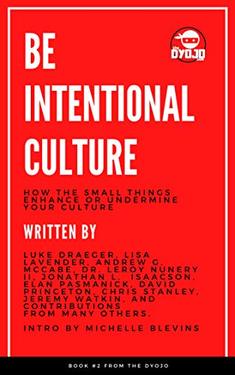
Be Intentional About Culture: How Small Actions Shape Organizational Success
In today’s competitive restoration and service industries, culture is not a buzzword—it is a business strategy. The health of your company culture directly influences employee engagement, leadership effectiveness, customer satisfaction, and long-term profitability.
Taking care of your culture means taking care of your people.
Taking care of your people ensures exceptional service to customers.
Taking care of customers builds a sustainable and profitable business.
The connection is clear: intentional culture development drives measurable business results.
Why Culture Matters in Service-Based Businesses
In industries like restoration, cleaning, remediation, and construction, teams operate in high-stress environments. Employees face urgent situations, demanding customers, and tight timelines. Without a strong, clearly defined culture, inconsistency, burnout, and disengagement can quickly take root.
An intentional culture provides:
- Clear core values and behavioral expectations
- Consistent leadership messaging
- Accountability across departments
- Strong communication standards
- A shared sense of purpose
When culture is neglected, small misalignments compound. Minor lapses in professionalism, communication, or accountability can quietly undermine morale and performance.
The Power of Small Things
Organizational culture is shaped less by mission statements and more by daily behaviors. Small actions—how leaders respond to mistakes, how teams communicate under pressure, how accountability is enforced—either reinforce or erode cultural standards.
Examples of small cultural indicators include:
- How feedback is delivered
- How recognition is given
- How conflict is handled
- Whether processes are consistently followed
- How leadership models company values
Over time, these small behaviors define the company’s reputation internally and externally.
Intentional Leadership and Sustainable Growth
Strong leadership requires deliberate investment in culture development. This includes:
- Ongoing leadership training
- Clear communication of core values
- Defined expectations for accountability
- Alignment between stated values and actual behaviors
- Continuous evaluation and adaptation
Organizations that intentionally design and protect their culture experience stronger employee retention, improved customer loyalty, and more consistent operational performance.
Culture is not static. It must be nurtured, evaluated, and refined as the company grows.
The Business Impact of Intentional Culture
Research consistently shows that high-performing companies prioritize workplace culture. In restoration and service-based businesses, culture directly affects:
- Customer experience
- Online reviews and brand reputation
- Employee retention and recruitment
- Operational efficiency
- Financial performance
The input of time, energy, and resources into culture development produces measurable outputs in profitability and sustainability.
Intentional culture is not accidental—it is strategic.
Lisa Lavender, COO and co-author introduces – Be Intentional Culture: How the Small Things Enhance or Undermine Your Culture; to purchase your copy click on the following link: https://www.amazon.com/dp/B08T837T8G